I Paid for My Parents’ House Renovations. Can I Get My Money Back?
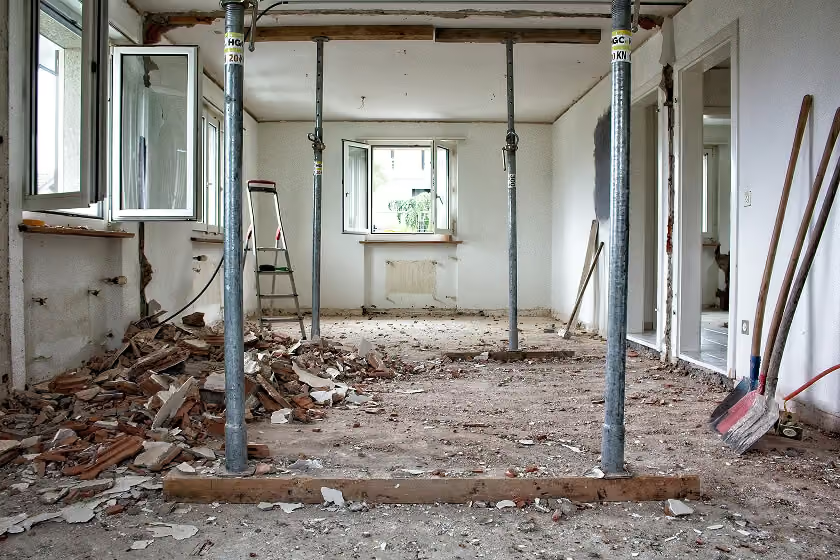
You helped your parents pay for renovations, contributed to their mortgage or spent thousands improving their home. Perhaps they promised to repay you, give you a share of the property or leave you the house in their will.
But what happens if the property is sold, the arrangement changes or your parents leave the house to someone else?
In New South Wales, you may have legal options. Whether you can recover your money or claim an interest in the property depends on what was agreed, why you contributed and what you can prove.
Does paying for renovations make you an owner?
Not automatically. Paying for renovations or contributing to mortgage repayments does not, by itself, make you a registered owner or guarantee a share of the property.
However, the names on the title are not always the end of the story. An enforceable agreement or an equitable claim may give you rights, depending on the circumstances.
For example, paying for a new kitchen as a gift is different from spending $100,000 on an extension after being promised a share of the house. The arrangement and the evidence supporting it matter.
What if my parents promised me the house?
Family promises are often informal. A parent might say, “This house will be yours one day,” or promise you an ownership interest in exchange for funding renovations.
A verbal promise does not automatically give you rights to the property. However, it may support a claim known as proprietary estoppel.
Broadly, this may arise where:
- Your parent made a clear promise about the property.
- They expected, or a reasonable person in their position would have expected, you to rely on that promise.
- You relied on it by spending money, undertaking work or otherwise changing your position.
- You would suffer detriment if the promise were not honoured.
Simply hoping or assuming that you will inherit the house is generally insufficient. You need evidence connecting your contribution to the promise.
Even where a claim succeeds, the remedy is not automatically ownership of the entire house or repayment of every dollar spent. The court determines the appropriate relief, which may involve compensation or an interest in the property.
What if the money was a loan?
If the money was advanced under an enforceable loan arrangement, you may have a claim for repayment.
The key questions include whether repayment was agreed, who agreed to repay you and when repayment was due. For example, the arrangement might have required repayment when the house was sold.
Calling a payment a “loan” after a disagreement arises does not establish that it was one. Messages, bank records, acknowledgments of the debt and evidence of repayments can help demonstrate the original arrangement.
If the contribution was an unconditional gift, you generally cannot demand repayment simply because your circumstances or family relationships have changed.
What if there was no written agreement?
The absence of a written agreement does not necessarily prevent a claim, but it can make proving the arrangement more difficult.
Agreements involving an interest in land are also subject to specific legal requirements. Some require signed written evidence to be enforceable, although exceptions and equitable claims may still be available.
Useful evidence may include:
- Text messages and emails discussing repayment or ownership.
- Bank statements showing payments.
- Renovation invoices and receipts.
- Statements acknowledging your contribution.
- Witnesses who heard the agreement or promise.
Payment records show what you spent. Evidence of the arrangement helps explain why you spent it and what you were meant to receive in return.
What happens if the house is sold?
You are not automatically entitled to sale proceeds simply because you paid for improvements.
However, a sale may trigger repayment under a loan agreement or affect rights arising from another arrangement.
If a sale is proposed and you believe you have a claim, obtain legal advice promptly. Whether steps can be taken to protect your position will depend on the nature of your rights and the available evidence.
What happens if my parents pass away?
Your contribution does not automatically entitle you to a larger inheritance. However, depending on the circumstances, you may have a claim against the estate to recover a debt or enforce rights arising from an agreement or promise.
This is separate from a family provision claim, which concerns whether adequate provision has been made for your proper maintenance, education or advancement in life.
A child of the deceased is eligible to apply for family provision in NSW. Contributions to improving the deceased’s property may be relevant, alongside matters such as financial needs, the size of the estate and the circumstances of other beneficiaries. Eligibility and contributions do not guarantee a successful claim.
Family provision applications generally must be made within 12 months of the parent’s death, subject to statutory exceptions. Different time limits apply to other claims, so seek advice promptly.
How can you protect yourself?
Before contributing money, clarify whether it is a gift, a loan or part of an arrangement involving ownership or inheritance.
Record what each person is agreeing to, including when repayment is due and what happens if the property is sold, someone dies or the arrangement ends.
Obtain legal advice before making substantial payments. A properly documented arrangement can reduce uncertainty and help protect everyone involved. A promise to leave you property in a will also needs careful consideration, because wills can generally be changed during a person’s lifetime.
Keep records of payments and conversations, even where your relationship is close and everyone currently agrees.
Can you get your money back?
Possibly. Paying for renovations does not automatically give you ownership or guarantee repayment, but an agreement or a promise you relied on may give you legal rights.
If you have contributed to your parents’ property, Lawgix can help you understand your position, assess the available evidence and explore your options under NSW law.